Why gender matters in the fight against HIV, tuberculosis and malaria
Health is not gender-neutral. Gender norms, stigma, unequal power relations, legal barriers and economic insecurity all shape whether people can access prevention, testing, treatment and care.
6 July 2026
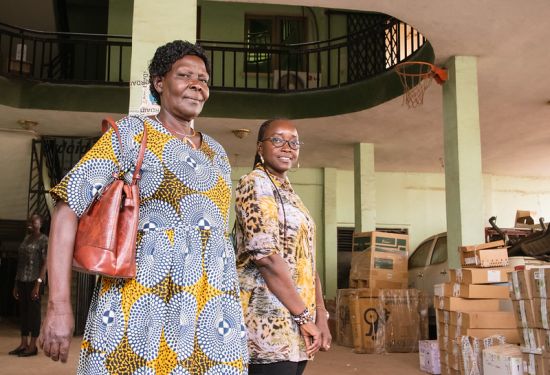
Evelyn Letio (left) is an advocate dreaming of a world where women living with HIV can live with dignity. As co-founder of Nepwu, she supports young mothers and challenges HIV stigma in communities across South Sudan.
To introduce this topic, Cordaid has developed a general infographic on how gender and health intersect. It shows how gender can shape people’s health risks, their access to services, the quality of care they receive, and their role in health decision-making.
Explore the Infographic
Alongside the infographic, this background paper takes a closer look at one specific area: how gender influences the fight against HIV, tuberculosis and malaria — and how the Global Fund to Fight AIDS, Tuberculosis and Malaria responds. It shows how adolescent girls and young women face heightened HIV risks, how stigma and social expectations can delay TB diagnosis and treatment for both women and men, and why malaria prevention often fails to reach pregnant women and other vulnerable groups.
The paper also highlights practical ways to address these barriers: from gender-responsive health services and community-led outreach to better data, more inclusive decision-making, and stronger support for affected communities.
Download and read the background paper
Contact:
Mickael Franci
Editor | Corporate Communication
Cordaid International
Source: Cordaid International
https://www.cordaid.org/en/publications/why-gender-matters-in-the-fight-against-hiv-tuberculosis-and-malaria/
“Reproduced with permission - Cordaid International”
Cordaid International
Back to…
Positively Positive - Living with HIV/AIDS:
HIV/AIDS News
For more HIV and AIDS News visit…
Positively Positive - Living with HIV/AIDS: HIV/AIDS News Archive
|