|
Positively Positive - Living with HIV/AIDS:
HIV/AIDS News Archive - December 2025

Top HIV Science Stories of 2025
December 31, 2025 - By Liz Highleyman - POZ - Twice-yearly PrEP makes its debut, novel HIV treatments are in the pipeline and metabolic health gets more attention.
Website traffic isn’t always the best indicator of the most important scientific advances in HIV. Cure stories are always among the most popular—even when advances are modest—and a specific article will sometimes inexplicably go viral. Instead, here are editorial picks for 10 of the key HIV science stories of 2025. However, these don’t include perhaps the year’s biggest new in the HIV/AIDS world: the dramatic impact on research, prevention and domestic and global services due to the Trump administration’s funding cuts and interference with federal health agencies.
Read more...
Beyond diagnosis: A community blueprint for HIV recovery
December 31, 2025 - By Caren Grace R. Cabanayan-Carbonell - Philippine Information Agency - “I [have been] sexually active since I was 16, but I was careful, constantly using protection and [undergoing] regular screening, until a night or two of unprotected sex,” Gav recalled of his life before his diagnosis.
In 2022, his weight dropped drastically to 30 kilograms, significantly lighter than his usual build. He knew something was wrong but remained in denial. Days later, with his mother by his side, he took the test and tested reactive for human immunodeficiency virus (HIV).
The Resurgence of Maternal Syphilis—A Public Health Wake-Up Call
December 30, 2025 - Robert L. Cook, MD, MPH - JAMA Network - Twenty years ago, the US public health system confidently presented a plan to eliminate syphilis in the US.1 Sadly, things have not gone as intended, and pregnant women and their offspring are now bearing the brunt. As noted in the article by Staneva and colleagues,2 syphilis rates among pregnant women in Mississippi increased nearly 10-fold between 2018 and 2023. Corresponding to this increase of maternal syphilis in Mississippi, the US overall experienced a nearly 700% increase in diagnoses of congenital syphilis between 2015 and 2024, with nearly 4000 cases reported in 2024.3 Congenital syphilis is one of the most devastating pregnancy-related outcomes, with consequences including infant death, miscarriage, premature birth, and other severe health conditions in the infant. The persistent and steady increases in both maternal syphilis and congenital syphilis serve as another warning sign about what can happen with preventable infectious diseases when public health infrastructure loses support. Understanding more about the root causes of the increase in maternal syphilis and congenital syphilis can help inform possible solutions.
Documentary sheds light on HIV patient’s science-advancing ‘last gift’ through UCSD study
December 30, 2025 - By Noah Lyons - The San Diego Union-Tribune - ‘The Last Gift: Jim’s Courage, Our Hope’ shares the story of late San Diego resident Jim Dunn and his role in research aiming to find a cure for HIV
An HIV diagnosis upended San Diego resident Jim Dunn’s life. But his willingness to participate in an end-of-life program is helping scientists to better understand the disease and hopefully find a cure.
Read more...
From survival to longevity: What aging with HIV looks like in 2025
December 30, 2025 - By Victoria Mejicanos - AFRO NEWS - Medical improvements have allowed people with HIV to live longer than what was once possible, creating a population of older and middle-aged adults who never anticipated dealing with chronic health issues associated with aging and the lasting emotional and social impact of the initial epidemic.
The AFRO spoke with experts and survivors about the history of the initial epidemic, where research has gone and where it needs to go to effectively serve patients.
Listen & Read...
Film raises empathy and awareness for youths with virus
2025-12-30 - China Daily - When two brothers long separated by time and circumstance finally reunited, they uncovered a family secret buried for years: their mother had died of AIDS.The older brother was born with HIV, the virus that causes AIDS, while the younger one, born after the introduction of preventive measures, was born healthy.
Read more...
How Vancouver’'s St. Paul’s aims to become the hospital of the future
2025-12-30 - By Dan Fumano - Vancouver Sun - This $2.18-billion hospital — which is designed for the latest and future technologies — is described as the first of its kind in Canada
The seven-hectare campus has been described by Providence as the first of its kind in Canada, along the lines of the Cleveland Clinic or Johns Hopkins campuses in the U.S. It will feature a 2.1 million-sq.-ft. hospital, almost double the size of the current facility, connected by a skybridge to a 375,000-sq.-ft. research facility.
Read more...

There Are New Antivirals Being Tested for Herpesviruses. Scientists Now Know How They Work
Newswise - 29 Dec 2025 - By HARVARD MEDICAL SCHOOL - Research reveals virus-drug structure, interaction in real time
Harvard Medical School researchers have uncovered crucial insights into how an emerging class of antiviral drugs works.
The discovery sheds light on an important tool for fighting drug-resistant strains of herpes simplex virus, or HSV, and points to new pathways for treating herpesviruses and other kinds of DNA viruses (those that have DNA as their genetic material and can replicate inside host cells).
The federally funded study is published in Cell Dec. 29.
Taiwan to expand publicly funded HIV treatment to foreign residents
Dec 29, 2025 - Taipei Times - The Centers for Disease Control (CDC) is planning to expand eligibility for publicly funded HIV treatment for foreign nationals next year, although it has not released many details on how the expansion would work.
CDC Director-General Lo Yi-chun told a press event on Monday last week that subsidy regulations are being revised and eligibility for publicly funded treatment for foreign residents would be expanded.
Read more...
On Christmas Eve 2012, Kyle Clifford Learned He Had HIV. Now He’s Leading AIDS Research
December 28, 2025 - By amfAR - POZ - Watch a hopeful message from Kyle Clifford, the incoming CEO of amfAR, The Foundation for AIDS Research.
On World AIDS Day, December 1, amfAR, The Foundation for AIDS Research released a message from incoming CEO Kyle Clifford who shares his personal journey with HIV and steadfast commitment to finding a cure for AIDS. Clifford reflects on his AIDS diagnosis, how advances in research transformed his life, and why leading amfAR marks a deeply personal mission.
Read more...
Lithium-ion battery sparks fire in Church and Wellesley neighbourhood
December 27, 2025 - By Elianna Lev - CTV News - Fire crews were sent to put out a blaze at the Casey House in Toronto’s Church and Wellesley neighbourhood on Saturday.
Read more...
Once written off, still alive
December 25, 2025 - By Tendai Gukutikwa - The Herald - WHEN Mbuya Chipo Dube (66) looks back at the early years of her HIV diagnosis, she does not begin with hospitals, pills or doctors’ rooms.
She begins with money that was meant to save her life, money that she quietly redirected elsewhere, not out of recklessness, but fear.
Fear of being seen. Fear of being known. Fear of being labelled.
Read more...
Engineering B cells to improve HIV treatments
DECEMBER 24, 2024 - By K Woodruff - Fred Hutchinson Cancer Center - From the Kiem lab, Translational Sciences and Therapeutics Division
To prevent viruses from infecting cells, our immune systems depend on antibodies. Antibodies bind specific antigens present on viruses to tag them for destruction. For some antibodies, known as neutralizing antibodies, this antibody-antigen interaction can block the virus from infecting a cell or target the infected cell. Many viruses, including HIV, are very diverse, and in some cases antibodies that can neutralize one strain of the virus cannot even bind to other strains. Even within an individual, HIV evolves rapidly and often changes its antigen so that existing antibodies can no longer bind or neutralize the virus. When viral evolution outpaces antibody production, antibodies can’t do much to protect us.
Luckily, researchers have discovered broadly neutralizing antibodies (bNAbs) that target multiple strains of HIV at conserved antigens that are unlikely to evolve. Though bNAbs are only expressed by a small subset of people living with HIV, finding ways to introduce them into patients who do not express them can help control viral load and improve health outcomes.
Urine-based HIV-1 self-testing in China: A cross-sectional diagnostic accuracy and usability study
December 24, 2025 - Nature - Abstract
Expanding HIV testing coverage is essential to achieving the first target of the UNAIDS 95-95-95 goals. Under current circumstances, a novel testing method, urine-based HIV self-testing (HIVST) will be essential to reach undiagnosed people living with HIV. This multicenter cross-sectional study conducted in three sites in China evaluated the diagnostic accuracy, usability, and acceptability of urine-based HIVST in untrained users under real-world conditions. Among 1,495 participants, the urine test demonstrated a sensitivity of 99.44% and a specificity of 100.00%, with perfect agreement between self-testers and professionals. Agreement between home-based and facility-based testing was 100.00%, confirming the reliability of self-testing in unsupervised settings. Most participants were able to perform the test correctly and interpret the results independently, achieving high comprehension and satisfaction levels. Urine-based HIVST is accurate, convenient, and highly acceptable, serving as a promising alternative to blood- or oral fluid-based approaches to better accommodate diverse needs and preferences. This non-invasive and user-friendly testing option is expected to expand testing coverage and contribute to achieving the first UNAIDS 95 target in China.
Hospitals warned about rare infection emerging in Calgary
Dec 24, 2025 - CBC - 8 cases of Haemophilus influenzae type b (Hib) so far: government
Alberta health officials are flagging the circulation of a rare bacteria known as Haemophilus influenzae type b (Hib) among homeless adults living in Calgary.
A memo to emergency departments and urgent care workers from Primary and Preventative Health Services obtained by CBC News warns of a “cluster of invasive Hib cases caused by a genetically distinct sequence type.”
Listen & Read...
Improving the Response to HIV/AIDS in The Gambia
December 23, 2025 - The Borgen Project - The Gambia implemented many initiatives, programs and policies to improve its HIV/AIDS response. The country is focusing its prevention efforts on key populations experiencing higher prevalence rates of HIV and improving the accessibility of treatment services to these populations. The integrated and comprehensive approach empowers girls and young women through secondary education, development of training for health care workers on prevention and treatments and specialized nutritional services for breastfeeding women with HIV/AIDS in the Gambia.
The Background
The Republic of the Gambia experienced its first detection of HIV/AIDS in 1986. In response, they created a new department within the Ministry of Health called the National AIDS Control Programme (NACP). While the HIV/AIDS prevalence in the general population remains relatively low, at less than 2%, key subpopulations such as men who have sex with men (MSM) and female sex workers (FSW) experience disproportionately high prevalence rates. While the country continuously progresses in its treatment services for HIV/AIDS since 1986, progress stalled during the COVID-19 pandemic. Many resources, skills, personnel and medical equipment essential to HIV/AIDS treatment were repurposed during the pandemic to treat COVID-19 patients. In response to the dual HIV and COVID-19 epidemics, the Gambia improved its HIV/AIDS reduction strategies by investing in better prevention services, especially targeting key subpopulations and increasing the utilization and accessibility of treatment services.

Colossal Raises $1,871,661 to Benefit the Elton John AIDS Foundation | 2025 Style Icon Announced
Dec 23, 2025 - Colossal - Colossal, the pioneer of purpose-driven competitions, is proud to reveal the winner of its inaugural Style Icon competition, Jordi Luke from Cleveland, OH. Created by Colossal in support of the Elton John AIDS Foundation, Style Icon is the first-of-its-kind competition that invited individuals across the United States and Canada (excluding Quebec) to express their signature aesthetic while raising funds through a vote-by-donation model.
Presented by Elton John, David Furnish, CEO of Rocket Entertainment and Chair of the Elton John AIDS Foundation, and multi-award-winning beauty entrepreneur and makeup artist Charlotte Tilbury, the Style Icon competition generated $1,871,661, with proceeds granted to support the Elton John AIDS Foundation. The Foundation's mission is to overcome HIV and LGBTQ+ stigma, discrimination, and neglect that prevents us from ending AIDS for everyone, everywhere.

International study finds decreasing risk of liver cancer after hepatitis C cured in people with HIV
December 23, 2025 - Canadian AIDS Treatment Information Exchange (CATIE) - Chronic hepatitis C can damage the liver, but treatments cure 95% of infections
Hepatitis C cure reduces liver cancer risk, but most studies have focused on HIV-negative people
A six-year study found decreased liver cancer risk among people with HIV cured of hepatitis C
Due to shared routes of transmission, some people with HIV are also infected with hepatitis C virus (HCV).
Acute HCV can infect the liver and cause severe inflammation of this organ. If left undiagnosed or untreated, HCV infection can become a chronic condition, and inflammation and liver injury persist. Over many years, HCV causes healthy liver tissue to be replaced with useless scar tissue. As the amount of scar tissue accumulates and the liver degrades, symptoms can appear, including severe fatigue, fluid buildup in the abdomen, internal bleeding, severe abdominal infections, yellowing of the skin (jaundice), and subsequently, difficulty thinking clearly and memory problems. Eventually, the liver can stop functioning. The accumulation of scar tissue increases the risk of liver cancer and dying.
Flu season is ramping up, and some experts are “pretty worried”
December 23, 2025 - Dr. Céline Gounder - CBS News - Doctors and scientists say this year’s influenza season could be tougher than usual. A new version of the flu virus, called H3N2, is spreading quickly. At the same time, fewer people are getting flu shots.
“This flu season is no joke. We are seeing more cases than we would expect for this time of year,” Dr. Amanda Kravitz, a pediatrician at Weill Cornell Medicine in New York, said on “CBS Mornings.” Specifically, she explained, “we are seeing influenza A, and within influenza A we are seeing a subtype or variant called H3N2.”
Read more...

Sanofi to acquire Dynavax, adding a marketed adult hepatitis B vaccine and phase 1/2 shingles candidate to the pipeline
Paris, December 24, 2025 - Sanofi - Sanofi announced today that it has entered into an agreement to acquire Dynavax Technologies Corporation (Dynavax), a publicly traded vaccines company with a marketed adult hepatitis B vaccine (HEPLISAV-B®) and differentiated shingles vaccine candidate. The acquisition augments Sanofi’s presence in adult immunization by bringing together Dynavax’s vaccines with Sanofi’s global scale, development capabilities and commercial reach.
Dynavax’ adult hepatitis B vaccine HEPLISAV-B is currently marketed in the US and is differentiated by its two-dose regimen over one month, which enables high levels of seroprotection faster than other hepatitis B vaccines, which are given in three doses over six months.
The acquisition also includes Dynavax’s shingles vaccine candidate (Z-1018), which is currently in phase 1/2 clinical development and additional vaccine pipeline projects.

Can a Cure for Hepatitis C Be Confirmed Sooner After Treatment?
December 22, 2025 - By Melinda Krigel - UCSF - UCSF researchers assess shorter clinical guidance windows as an alternative measure of hepatitis C cure for people treated in community-based settings.
Millions of people in the U.S. and around the world are living with hepatitis C virus (HCV). But over the past decade, direct-acting antivirals (DAA) have proven effective against HCV, curing more than 95% of those who complete treatment. Traditionally, patients have had to wait at least 12 weeks after finishing treatment to find out if they are cured.
For the populations most affected by HCV, such as people who inject drugs (PWID), barriers to accessing care remain one of the biggest obstacles to eliminating hepatitis C in the U.S. For many people, especially those facing unstable housing, transportation challenges, stigma, or financial insecurity, returning repeatedly over three months was difficult or impossible. As a result, cures go undocumented, and ongoing infections may remain undiagnosed and untreated.
To address this, a team of researchers from UC San Francisco examined whether providing HCV treatment, starting at the time of diagnosis in a non-clinical community setting, could improve antiviral treatment uptake for medically underserved populations.
TB and HIV treatments are not enough for a full recovery
SAN ANTONIO (Dec. 19, 2025) - Texas Biomedical Research Institute - Existing treatments for tuberculosis (TB) and HIV control the pathogens, but the immune system does not revert to normal, according to research by Texas Biomed and collaborators. The preclinical findings help explain why people living with HIV likely remain more susceptible to other illness and reinfection with TB – and point to the need for new therapies.
The immune system remains seriously out-of-whack – in an inflammatory state of overactivation and impaired functionality – following the international gold standard for treating people with latent tuberculosis (TB) and HIV, a team at Texas Biomedical Research Institute reports this week in Nature Communications.
“The good news is that the treatments control the virus and kill most of the TB bacteria,” said Riti Sharan, Ph.D., Assistant Professor at Texas Biomed and co-corresponding author. “The bad news is that the immune system in the lungs does not fully recover.”
The study is believed to be the most detailed analysis to date documenting what happens in the lungs following the standard treatment for co-infection, which is possible thanks to well-established nonhuman primate models representing humans with latent TB and active HIV.
Rising STIs in Europe: report finds critical gaps in testing and prevention policies
Stockholm 19 December 2025 - European Centre for Disease Prevention (ECDC) - As sexually transmitted infections (STIs) continue to surge across the European Union and European Economic Area (EU/EEA), a new report published today by the European Centre for Disease Prevention and Control (ECDC) reveals a complex landscape of national responses. Though most countries have strategies in place, significant barriers to preventative measures and testing, and a lack of data are hindering efforts to curb the epidemics of chlamydia, gonorrhoea, and syphilis.
The report, Monitoring of the responses to sexually transmitted infection epidemics in EU/EEA countries, 2024, provides the first comprehensive overview of how European countries are tackling the rise in STIs.

The Promise of Immunotherapy to Cure HIV
December 19, 2025 - amfAR, The Foundation for AIDS Research - A groundbreaking study at the amfAR Institute for HIV Cure Research leads to potential breakthroughs in controlling the virus long-term
For nearly three decades, antiretroviral therapy (ART) has turned HIV from a fatal infection into a manageable chronic condition, where the virus is not eliminated but kept fully in check or, in clinical terms, “suppressed.” However, if ART is interrupted the virus quickly comes back. For that reason, a major goal of cure research is sustained post-treatment control: maintaining low or undetectable viral levels without ongoing ART.
An amfAR-funded clinical study offers a genuine step in that direction.
Published in Nature, this clinical study recently reported long-term HIV control in a subset of participants who had been given a combination immunotherapy and whose antiretroviral therapy (ART) had been subsequently stopped under closely monitored medical supervision.
Over 91% of Clients in the Ryan White HIV/AIDS Program Reach Undetectable Status
December 19, 2025 - By Trent Straube - POZ - New data confirm Ryan White’s success—undetectable equals untransmittable (and healthier)—but GOP leaders want to slash these HIV funds.
How about some good news from the federal health department? New data from 2024 show that over 91% of clients in the federal Ryan White HIV/AIDS Program reach viral suppression. In other words, their viral load is undetectable. Nationally, about 67% of people diagnosed with HIV were undetectable in 2023.
People with HIV who adhere to their treatment regimen and achieve and maintain viral suppression experience slower disease progression, enjoy better overall health and are less likely to acquire opportunistic infections. What’s more, people with an undetectable viral load don’t transmit HIV to others through sex. This is known as treatment as prevention, or Undetectable Equals Untransmittable (U=U).
Read more...
Electronic medical records help save lives of HIV patients
December 18, 2025 - Penn Today - University of Pennsylvania - Management and socioeconomic development expert Leandro ‘Leo’ Pongeluppe and colleagues found that switching from paper to electronic medical records at HIV clinics in Malawi led to an estimated 28% reduction in deaths after five years, with the greatest impact on children.
With 9.5% of its population estimated to be HIV-positive in 2019, Malawi has one of the highest rates of HIV prevalence in the world. While untreated HIV can lead to infection and death, antiretroviral therapy (ART)—a combination of medications that suppresses the virus, restores immune function, and reverses the progression of AIDS—is available to Malawian patients at no cost. But success depends on patients adhering to regular treatment, and tracing patients who have lapsed from care is expensive and time-consuming for clinics that are already understaffed.
To address the challenge, the nonprofit Baobab Health Trust and Malawi’s Ministry of Health, began migrating clinics from paper-based patient records to electronic medical records (EMRs) in 2005.
WHO validates Brazil for eliminating mother-to-child transmission of HIV
18 December 2025 - World Health Organization (WHO) - The World Health Organization (WHO) has validated Brazil for the elimination of mother-to-child transmission (EMTCT) of HIV, making it the most populous country in the Americas to achieve this historic milestone. This accomplishment reflects Brazil’s long-standing commitment to universal and free access to health services through its Unified Health System (SUS), anchored in a strong primary health-care system and respect for human rights.
“Eliminating mother-to-child transmission of HIV is a major public health achievement for any country, especially for a country as large and complex as Brazil,” said Dr Tedros Adhanom Ghebreyesus, WHO Director-General. “Brazil has shown that with sustained political commitment and equitable access to quality health services, every country can ensure that every child is born free of HIV and every mother receives the care she deserves.”
The milestone was marked during a ceremony in Brasília, attended by President Luiz Inácio Lula da Silva, Brazil’s Minister of HealthAlexandre Padilha, and the Director of the Pan American Health Organization (PAHO) Dr Jarbas Barbosa, along with representatives from UNAIDS.

UM project to enlist community members in improving services for patients with HIV, other infections
December 18, 2025 - UM NEWS - University of Manitoba - An innovative UM-led project will train people with lived experience from across the Prairies to work with researchers on developing clinical trials focused on HIV and sexually transmitted and bloodborne infections (STBBIs), such as gonorrhea and syphilis.
Training people with lived experience of these illnesses will help the research team to formulate questions about patients’ needs, said study leader Dr. Yoav Keynan, a professor of internal medicine and medical microbiology and infectious diseases at the Max Rady College of Medicine in the Rady Faculty of Health Sciences.
It will also give people from marginalized communities a voice in designing clinical trials that test the effectiveness of different approaches to care.
Updated Canadian HIV prevention guidelines released
DECEMBER 18, 2025 - Canadian AIDS Treatment Information Exchange (CATIE) - Researchers have updated guidelines on HIV pre- and post-exposure prophylaxis (PrEP and PEP)
The guidelines support prescribing PrEP to individuals who request it based on self-assessed risk
The strength of evidence and accessibility of newer and injectable PrEP options are also outlined
New HIV infections continue to occur in Canada. Biomedical prevention—which consists of pills or injections containing anti-HIV medicines—is an important part of several strategies to prevent the transmission of HIV. A team of leading Canadian HIV experts reviewed evidence for the use of these medicines and updated the Canadian guidelines for reducing the risk of HIV infections.
This CATIE News story summarizes key developments in the updated guidelines.

McMaster research team digitizes more than 100 years of Canadian infectious disease data
December 17, 2025 - By Blake Dillon - McMaster News - McMaster University - The new, publicly accessible database can be used to study the patterns of disease incidence and strengthen public health preparedness.
Twenty-five years ago, in a neglected storage area at the Ontario Ministry of Health, David Earn happened upon epidemiological gold: two boxes of hand-written documents accounting for 50 years of weekly infectious disease incidence reports, spanning 1939-1989.
The buried treasure was exactly the sort of thing that the McMaster University professor hoped to unearth during his visit — historical public health data that could help contextualize current and future infectious disease outbreaks.
After a Decades-Long Career Dedicated to amfAR and Public Health, Respected HIV Expert Dr. Mervyn F. Silverman Retires from amfAR Board of Trustees
December 16, 2025 - amfAR, The Foundation for AIDS Research - amfAR congratulates Mervyn F. Silverman, MD, MPH, on his retirement and his years of esteemed service.
A pioneer of public health and early responder to the AIDS crisis, HIV expert Dr. Mervyn F. Silverman retires from amfAR Board of Trustees.
As a physician, public health director, and an essential part of amfAR for nearly forty years, Dr. Silverman pledged his life to improving the health of millions.
A key to long-term HIV control
December 16, 2025 - NIH - National Institutes of Health - At a Glance
Two NIH-funded studies linked sustained suppression of HIV after experimental treatments to a certain type of immune cell.
The findings suggest that boosting the number and effectiveness of those specific cells may help control HIV without the need for life-long treatment.
Roughly 40 million people around the world are living with HIV. More than 70% of them suppress the virus with antiretroviral therapy (ART). Unfortunately, when people stop ART, the virus usually resumes replicating and ravaging their immune systems. Thus people have to continue ART for life to keep the virus under control.
To overcome ART’s limitations, many scientists are developing short-term HIV treatments that have long-lasting effects. One such treatment is broadly neutralizing antibodies (bNABs). These antibodies can neutralize a wide range of HIV strains.
Gilead’s Investigational Single-Tablet Regimen of Bictegravir and Lenacapavir for HIV-1 Treatment Meets Primary Endpoint in Phase 3 ARTISTRY-1 Trial
FOSTER CITY, Calif.--(BUSINESS WIRE)-- December 15, 2025 - Gilead - – Investigational Treatment Regimen Could Expand Options for Virologically Suppressed Adults –
–Positive Phase 3 Results from Both ARTISTRY-2 and ARTISTRY-1 Trials will Form the Basis of Regulatory Submissionsv –
Gilead Sciences, Inc. (Nasdaq: GILD) today announced positive topline results from the Phase 3 ARTISTRY-2 trial. The double-blind trial evaluated the treatment responses of adults with HIV who are virologically suppressed switching from BIKTARVY® (bictegravir 50 mg/emtricitabine 200 mg/tenofovir alafenamide 25 mg tablets, B/F/TAF) to a fixed-dose combination of bictegravir 75 mg/lenacapavir 50 mg (BIC/LEN). BIC/LEN efficacy was found to be statistically non-inferior to BIKTARVY. Gilead plans to file the Phase 3 results from the ARTISTRY trials with regulatory authorities and submit the detailed findings for presentation at a future scientific congress.
In ARTISTRY-2, the once-daily single tablet regimen of BIC/LEN met the primary success criterion for non-inferiority to BIKTARVY. The primary efficacy endpoint was the percentage of participants with HIV-1 RNA levels =50 copies/mL at Week 48, defined by the FDA snapshot algorithm. The novel combination of BIC/LEN was generally well tolerated, with no significant or new safety concerns identified during the trial.
Canada must act to prevent the unravelling of progress toward curbing HIV/AIDS
December 15, 2025 - Julio S.G. Montaner, Robert S. Hogg and Stephen H. Lewis - CMAJ - Key points
Evidence-based strategies such as treatment, prevention and pre-exposure prophylaxis have dramatically reduced new HIV infections and AIDS-related deaths, and must be scaled up nationally and globally.
However, at a time when the world is close to ending HIV/AIDS as a global public health threat, major global funding cuts have stalled international progress.
Canada and other high-income countries would be wise to reinvigorate their efforts to end the HIV/AIDS epidemic, as G8 leaders committed to in 2002.
In 2002, the G8 summit in Kananaskis, Alberta, launched the G8 Africa Action Plan,1 which identified HIV/AIDS as a central threat to human development and global security. The plan has played a pivotal role in addressing the global threat posed by HIV/AIDS and, since then, global progress has been remarkable. Today, although the urgent need to end the HIV/AIDS epidemic remains, the political will has faded.
I Co-Discovered HIV. Here Are Lessons to Help Prepare for the Next Threat.
December 14, 2025 - By Robert C. Gallo, MD. - Medpage Today - — Sustained funding, modernized surveillance, and long-term prevention and care are key.
Science progresses when people share what they learn, not when they retreat behind borders or institutions.
That was true when my colleagues and I first discovered a protein, known today as interleukin-2, which enabled growth of human T cells in the laboratory, leading to our breakthrough discovery of the first human retrovirus, HTLV-1, a cause of adult T cell leukemia; and subsequently our co-discovery of another retrovirus, HIV, and development of the blood test to detect it. Researchers around the world then worked together at remarkable speed to implement blood screening and innovate the historical first development of successful antiviral therapy for any systemic viral disease.
Today, we confront emerging threats from a range of respiratory viruses, insect-transmitted viruses, and viruses we have not yet identified. Reflecting on lessons from the HIV/AIDS crisis — including progress and the challenges that defined it — can support future pandemic preparedness.
Baseline ECG and Cardiovascular Outcomes in People With HIV: Insights From REPRIEVE
December 11, 2025 - JAHA Journal of the American Heart Association - Abstract
Background
With antiretroviral therapy, people with HIV (PWH) have an increased burden of cardiovascular disease. The REPRIEVE (Randomized Trial to Prevent Vascular Events in HIV) trial demonstrated that pitavastatin reduces major adverse cardiovascular events (MACEs) among PWH at low to moderate traditional atherosclerotic risk. Electrocardiographic abnormalities are common in PWH, but little is known about their association with MACEs. We sought to examine whether baseline electrocardiographic abnormalities are associated with increased MACE risk among a global primary cardiovascular disease prevention cohort of PWH in REPRIEVE.
Researchers uncover how a killer fungus quietly invades the brain
December 11, 2025 - By Shantell M. Kirkendoll - Duke University School of Medicine - A deadly fungus known for causing severe brain infections in people with weakened immune systems may be sneakier than scientists realized, according to a Duke University School of Medicine study.
Cryptococcus causes hundreds of thousands of infections each year and is a leading cause of death among people with HIV/AIDS. The fungus can reach the brain just one day after entering the bloodstream, but the brain’s frontline defenders — microglia — remain largely inactive for nearly two weeks.

Together, We Move Forward: 75 Years of Impact and the Halfway Mark of the UBC Department of Medicine Strategic Plan
10 December 2025 - UBC Medicine - Educational Media & UBC Department of Medicine - This year, the UBC Department of Medicine celebrates two major milestones: 75 years of impact across British Columbia and the halfway point of our 2023–2027 Strategic Plan.
To honour this moment, we are proud to share Together, We Move Forward — a new video reflecting our collective mission to Transform Health for British Columbians. Narrated by Dr. Anita Palepu, Professor, Eric W. Hamber Chair, and Head of the Department of Medicine, the piece highlights our progress across our four core areas: Organization, Education, Research, and Clinical.
The video also features three members of our community, representing diverse roles and perspectives across the Department: Dr. Birinder Mangat, Clinical Assistant Professor, UBC General Internal Medicine and Program Director, Fraser Health Internal Medicine Residency Program; Dr. Nance Cunningham, UBC Public Scholar and PhD Candidate, UBC Division of Infectious Diseases; Dr. Sharry Kahlon, Physician Lead and Clinical Assistant Professor, UBC Division of General Internal Medicine.
Fiji’s HIV epidemic escalates: New rapid assessment highlights urgent gaps in access to safe injecting equipment, HIV prevention, and stigma-free care among people who inject drugs
Suva, Fiji - 10 December 2025 - WHO - World Health Organization - A new rapid assessment reveals that unsafe injecting practices, driven by an absence of harm reduction services such as needle/syringe programmes, are putting people who inject drugs in Fiji at increased risk of HIV transmission. The findings come as the Pacific island-nation continues to face one of the fastest growing HIV epidemics in the world.
Commissioned by the World Health Organization’s (WHO) Division of Pacific Technical Support and the United Nations Development Programme (UNDP), the assessment was carried out on the request of Fiji’s Ministry of Health and Medical Services (MHMS) by the Kirby Institute at the University of New South Wales, Fiji National University and the Australian Injecting and Illicit Drug Users League (AIVL). The study, funded by The Global Fund, provides an in-depth assessment of drug use, risk behaviours, health-seeking behaviours, and gaps in service delivery, to strengthen Fiji’s public health response.
How our cells detect bacteria to fight disease
09 December 2025 - by Dr. Jieru Deng - The Peter Doherty Institute for Infection and Immunity - Despite advances in medicine, many infectious diseases remain incurable. Now, our team has uncovered a critical piece of the puzzle: how the immune system senses bacteria. A discovery that could pave the way for effective vaccines and therapies for many diseases.
Our immune system works like a defence army, with battalions working together to protect the body from disease. T cells are a group of soldiers defending us against viral and bacterial infections. Among them, there is a special squad known as MAIT cells. These act as rapid frontline soldiers fighting infections.
Serious Listeria infections rising in Europe, EU report warns
Stockholm, 9 December, 2025 - European Centre for Disease Prevention (ECDC) - Changing diets and an ageing population may be contributing to a rise in serious Listeria infections across Europe, according to the new EU One Health Zoonoses Report from the European Food Safety Authority (EFSA) and the European Centre for Disease Prevention and Control (ECDC).
Every year, thousands of people across Europe fall ill after eating contaminated food, with eggs, meat and ready-to-eat food products among the most frequent sources of infection. The report shows that while food safety standards in Europe remain high, foodborne diseases continue to affect people across all age groups – especially those most vulnerable to severe illness – even though many of these diseases are preventable.

AIDS activist group ACT UP changed the world. Here's why its work still matters today
This story is part of History is Queer, an Advocate series examining key LGBTQ+ moments, events, and people in history and their ongoing impact. Is there a piece of LGBTQ+ history we should write about? Email us at history@advocate.com.
December 09 2025 - By Trudy Ring - ADVOCATE - One of the most prominent and effective groups fighting for people with HIV or AIDS in the 20th century was the AIDS Coalition to Unleash Power, better known as ACT UP. Its confrontational tactics weren’t for everyone — some activists preferred to work within the system. But ACT UP made much progress, and some chapters are still active.
Read more...

Sheryl Lee Ralph, Javier Muñoz and Demetre Daskalakis Join Virtual Party for HIV Survivors
Dec 9 2025 - By Mark S. King - My Fabulous Disease - Broadway star and Emmy-winning actress Sheryl Lee Ralph has been added to a slate of celebrities and community leaders who will appear at a virtual event on Wednesday, December 17, benefitting The Reunion Project, an alliance of HIV/AIDS survivors.
“Mark is 65” will commemorate the 65th birthday of 40-year HIV survivor Mark S. King while shining a spotlight on all long-term HIV/AIDS survivors.
Ms. Ralph joins Demetre Daskalakis, MD, a former CDC health official who resigned in protest; Broadway star and activist Javier Muñoz, who is openly living with HIV; Michael Gottlieb, MD, the physician who wrote the first report in 1981 about a strange illness that would come to be known as AIDS; Marnina Miller, co-director of Positive Women’s Network USA; trans HIV activist and icon Cecilia Chung; and a wide collection of community leaders and people living with HIV/AIDS who will appear during the one-hour streaming event. The event will be hosted by HIV writer and personality Charles Sanchez.
U of A physician-scientist sets the record straight on kissing bugs
December 8, 2025 - The University of Arizona Health Sciences - A spate of bad press involving the insects resulted in scary headlines, but years of Stephen A. Klotz’s research show they pose little risk.
Ah, kissing bugs.
Don’t be fooled by the cute name. They feed on blThe University of Arizona Health Sciences ood, freak people out and periodically whip the internet into a frenzy. In fact, that happened this fall when some researchers lobbied to label kissing bug disease – also known as Chagas disease – endemic in the United States, spiking public concern.
Doctor warns how myths are delaying HIV diagnosis
Dec 7, 2025 - India Today Health Desk - Myths around HIV are still causing people to delay testing, but doctors say clear information, early diagnosis and stigma-free conversations can help prevent new infections and save lives.
At a time when medical advancements have transformed HIV from a fatal infection into a manageable chronic condition, myths and stigma still prevent countless Indians from seeking timely diagnosis. According to Dr Vijay Kumar Sharma, Consultant, Internal Medicine at Regency Hospital, Gorakhpur, misinformation remains the biggest barrier to early detection and prevention.
Read more...
US signs $228 mln deal with Rwanda for health in new aid model
KIGALI, Dec 6 (Reuters) - The United States and Rwanda have signed a five-year deal for the provision of $228 million for the health sector in the East African nation, the State Department said, the second such pact under the Trump administration's new approach to overseas aid.
Read more...
World AIDS Day 2025: A Call to Action
Dec 5, 2025 - BC Centre for Excellence in HIV/AIDS - On Monday, December 1st, 2025, the BC-CfE alongside the Health Initiative for Men (HiM), Pacific AIDS Network (PAN) and Providence Health Care (PHC), marked World AIDS Day at St. Paul’s Hospital with a passionate call to action as the HIV response in Canada sits at a crossroads.
PAHO launches Regional Alliance to accelerate HIV elimination in the Americas
Washington, D.C., December 5, 2025 (PAHO) - Pan American Health Organization (PAHO) - The new platform aims to strengthen political and technical coordination and expand access to innovations to reduce new infections by 90% and achieve zero AIDS-related deaths by 2030.
The Pan American Health Organization (PAHO) today launched the Regional Alliance for HIV Elimination in the Americas, a platform that brings together governments, communities, international agencies, academia, and the private sector to advance measures to reduce new infections and AIDS-related deaths.
The Americas have made progress against HIV, but challenges persist. In 2024, an estimated 170,000 new infections and 38,000 AIDS-related deaths were recorded, according to UNAIDS. While the Caribbean reduced new infections by 21% from 2010 to 2024, Latin America saw a 13% increase during the same period. Despite advances in diagnosis and treatment, gaps remain in access to services, especially among populations at higher risk of infection.
The genetic architecture of HIV-1 virulence
05 December 2025 - Oxford Academic - Oxford University Press - The virulence of HIV-1 is partly determined by viral genetic variation. Finding individual genetic variants affecting virulence is important for our understanding of HIV pathogenesis and evolution of virulence; however, very few have been identified. To this end, within the BEEHIVE collaboration, we produced whole-genome HIV sequence data for 2 294 seroconverters from European countries for a genome-wide association study (GWAS).
A New Trial Put Immune System-Boosting Therapies to the Test to Fight HIV, Raising Hopes for Keeping the Virus at Bay
December 5, 2025 - By Marta Hill - Smithsonian Magazine - In the small study, seven out of ten participants maintained low levels of HIV for several months after receiving the experimental treatment and stopping their usual daily medications
After receiving a series of immunotherapies, most people with HIV in a small study kept their virus levels low for several months—and one person for more than a year and a half—without their usual medication.
Read more...
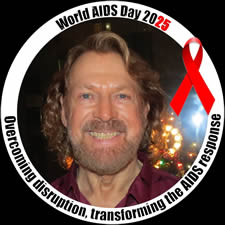
World AIDS Day 2025 Was a Call to Action
A 2004 Call for Action Still Rings True
Vancouver, BC, Canada – December 5, 2025 - By Bradford McIntyre - Bradford McIntyre Positively Positive Living with HIV/AIDS -
World AIDS Day 2025 Urgent Call to Action: On December 1, 2025, advocates and health experts warned that global HIV/AIDS funding cuts threaten decades of progress, putting millions of lives at risk. In this article, Bradford McIntyre, long-time HIV survivor and international advocate, shares his perspective on the ongoing challenges, the role of community-led initiatives, and expert insights—including comments from Dr. Julio Montaner, Executive Director of the BC Centre for Excellence in HIV/AIDS. This piece serves as a call to action for governments, communities, and individuals to ensure sustained investment in HIV prevention, treatment, and support.
World AIDS Day, observed each year on December 1, offered a moment to reflect on both the progress made and the challenges that remain. It was also a day to recognize the 44.1 million lives lost to AIDS and the 40.8 million people living with HIV.
More than four decades into the epidemic, advances in treatment have transformed HIV from a fatal diagnosis into a manageable condition for many. Yet too many people still face barriers to testing, care, and prevention—often because of stigma, inequality, or limited access to essential health services. As we marked World AIDS Day 2025, the call to action felt more urgent than ever.
In the early years, an HIV diagnosis was a death sentence. When I learned I was living with HIV in 1984, I clung to one hope: if I could survive ten years, perhaps better treatments would emerge. When I reached that milestone, I dared to hope I might even live to see the end of AIDS.
American Cancer Society Updates Cervical Cancer Screening Guideline: Major Changes Include Self-Collection for HPV Testing and Guidance on Exiting Screening
ATLANTA, December 4, 2025 - American Cancer Society - ACS researchers aim to reduce cervical cancer deaths with new screening recommendations
The American Cancer Society (ACS) released updated guidelines today for cervical cancer screening, reflecting advances in disease detection and accessibility in the United States. The updated guideline for women at average risk and individuals with a cervix at average risk introduces two key changes: self-collection of vaginal samples for human papillomavirus (HPV) testing as an option for cervical cancer screening, and provides new guidance on when individuals can safely exit screening for the disease. The update is published in a report in CA: A Cancer Journal for Clinicians, the flagship journal of ACS.

Fierce optimism despite challenging circumstances
December 4, 2025 - By Kristen Kresge Abboud - IAVI - International AIDS Vaccine Initiative - Reflecting on nearly three decades of IAVI Report and the future of HIV vaccine research.
In a perfect world, the final IAVI Report article would commemorate the successful deployment of a highly effective, affordable HIV vaccine in all the places and populations where it is most needed.
It is, however, far from a perfect world.
War, food insecurity, the effects of climate change, existing epidemics including HIV/AIDS, as well as the promise of future pandemics, are either threatening or destroying the lives and livelihoods of millions of people around the world. Simultaneously, the political commitment to global health and investment in biomedical research, both in the U.S. and abroad, is faltering.
UNAIDS welcomes new agreement between the United States and Kenya to advance progress to end AIDS and strengthen health systems
WASHINGTON/GENEVA, 4 December 2025 - UNAIDS - UNAIDS welcomes the signing of a landmark five-year Health Framework for Cooperation between the United States Government and the Government of Kenya to advance strengthened cooperation on HIV and other key areas of health.
The agreement was signed today in Washington DC by US Secretary of State Marco Rubio and President of Kenya William Ruto. It builds on decades of shared commitment between the US and Kenya through the US President's Emergency Plan for AIDS Relief (PEPFAR) and represents a renewed demonstration of shared solidarity, co-investment, self-reliant systems and resolve to save lives, reduce new HIV infections, and advance progress towards ending AIDS in Kenya.
Low-Dose Cannabinoids Show Potential to Restore Serotonin Levels and Reduce Inflammation in HIV, Study Finds
December 4, 2025 - By Danielle Valletti - Pharmacy Times - Emerging research suggests that low-dose cannabinoids may help reduce chronic inflammation and restore gut-derived serotonin levels in individuals living with human immunodeficiency virus (HIV), offering a possible new therapeutic pathway to address long-standing comorbidities associated with the condition.
Read more...

The Wistar Institute Announces Recruitment of Vincent Wu to Join Vaccine & Immunotherapy Center as Caspar Wistar Fellow
PHILADELPHIA — (Dec. 3, 2025) - The Wistar Institute - Interdisciplinary scientist brings expertise in molecular biology and bioinformatics to study HIV reservoir, where dormant virus hides
The Wistar Institute, an international biomedical research leader in cancer, immunology, and infectious disease, is pleased to announce the recruitment of Vincent Wu, Ph.D., to Wistar’s Vaccine & Immunotherapy Center (VIC) as a Caspar Wistar Fellow.
Wu studied HIV-2 as an undergraduate and though still early in his career comes to Wistar with a decade of research in HIV biology—its life cycle and where it hides, and in immunology—understanding what is the body’s immune response to HIV infection and how the HIV virus persists. As a postdoctoral fellow in the University of Pennsylvania lab of Dr. Michael Betts, Wu honed his skills at the lab bench conducting experiments using single cell profiling methods to better understand cell phenotypes during HIV infection. Then at the computer, he uses specialized computational tools and algorithms to process and interpret the raw data.
U.S. Skips World AIDS Day for the First Time in 37 Years
Dec. 3, 2025 - By I. Edwards - HealthDay News - About 1.2 million people in the U.S. live with HIV and 13% don’t know they have it
For the first time in more than three decades, the United States did not take part in World AIDS Day on December 1, a major change from past years when the day was used to raise awareness about HIV/AIDS and honor the millions of people lost to the disease.
Read more...
Rising cases show HIV can't be considered a disease of the past, N.L. committee says
Dec 03, 2025 - By Alex Kennedy - CBC News - 30 new cases of HIV reported from 2023 through 2024, AIDS Committee of N.L. says
Newfoundland and Labrador has reported 30 new cases of HIV since 2023, and the AIDS Committee of Newfoundland and Labrador (ACNL) says the disease can't be thought of as a disease of the past.
Listen & Read..
From heartbreak to advocacy: Bianca Carolina’s HIV awareness journey
December 2, 2025 - by Clayton Gutzmore - The Atlanta Voice - Discovering you have HIV can be one of the most devastating pieces of news a person can receive. For Bianca Carolina, it was crushing — but she refused to remain in shambles. Today, Carolina is an HIV advocate, a wife, an expecting mother of two, and an inspiration to many people living with HIV. She uses her story to illuminate that life isn’t over after a diagnosis. Through education and social media content, she shows that life, love, and long-held aspirations are still possible.
“The message I would love to give out is you can still find love, you can still build a family, and your life still has value and purpose. It is no longer what it once was, but HIV is no longer a death sentence — so we should not treat it that way,” said Carolina.
Experts say rising HIV cases highlight need for testing, education on World AIDS Day
December 2, 2025 - By Emily Hwang - CHCH News - The first day of December marks World AIDS Day — a day dedicated to raising awareness of AIDS and the spread of HIV.
Dr. Shariq Haider, medical director of HIV care at Juravinski Hospital in Hamilton, said he is committed to the World Health Organization’s 2030 target of 95-95-95 rule for HIV elimination.
Read more...
Health Matters: HIV cases are increasing in Canada
DECEMBER 2, 2025 - Global News - New data show Canada is losing ground in its fight against HIV-AIDS. We speak with Sean Hosein of CATIE about rising HIV infection rates.
Watch Video...
Event at Tsawout First Nation marks World AIDS Day
December 1, 2025 - CBC - On World AIDS Day, members of the Tsawout First Nation held a walk to recognize the impact HIV and AIDS have had on their community. Reporter Kathryn Marlow spoke with Daphne Harry, a Tsawout woman who lives with HIV, and other attendees.
Listen...

For World AIDS Day 2025, Gregory Folkers and Anthony Fauci reflect on progress made in antiretroviral treatments and prevention of HIV/AIDS
December 1, 2025 - PLOS Medicine - In recognition of World AIDS Day 2025, Gregory Folkers and Anthony Fauci reflect on progress made in antiretroviral treatments and prevention of HIV/AIDS, highlighting promising therapeutic developments and looking ahead to what is needed to end the AIDS epidemic.
New HIV prevention guidelines say doctors should not be ‘gatekeeping’ PrEP
December 01, 2025 - By The Canadina Press - CTV News - A coalition of doctors across Canada is releasing a new guideline for prescribing medications that can prevent HIV infection, with a strong focus on increasing the promotion and awareness of the expanding class of drugs.
The clinical guideline published Monday in the Canadian Medical Association Journal provides 31 recommendations and 10 good practices for prescribing antiretroviral medication before and after a potential HIV exposure to prevent infection.
Read more...
HIV rates on the rise since start of COVID-19 pandemic, says N.L. AIDS committee
Dec 01, 2025- By Abby Cole - CBC News - 2023 data shows HIV infection rates have increased 35 per cent in Canada
HIV infection rates are on the rise, says the AIDS Committee of Newfoundland and Labrador (ACNL).
Read more...
Opinion: Lack of investment now in HIV response will cost Canadians in the long-term
Dec 01, 2025 - By Dr. Julio Montaner - Vancouver Sun - Dr. Julio Montaner: To save lives and money, Canada needs to fully fund, within Pharmacare, HIV treatment and the use of antiretrovirals to prevent HIV acquisition among people at risk
We either pay a little now, or a lot more later.
Money talks. And as we stand at a precipice in the global response to HIV, with cases rising at alarming rates, it is no longer a question about science that sits at the forefront of the conversation, but rather one of dollars and cents.
Read more...
Aid cuts have shaken HIV/AIDS care to its core
1 Dec 2025 - By Kay Lay - The Guardian - Reports highlight the devastating impact of slashed funding, potentially leading to 3.3 million new infections by 2030
In Mozambique, a teenage rape victim sought care at a health clinic only to find it closed. In Zimbabwe, Aids-related deaths have risen for the first time in five years. In Ethiopia and the Democratic Republic of the Congo (DRC), patients with suspected HIV went undiagnosed due to test-kit stocks running out.
Read more...
Coalition of doctors releases new Canadian guidelines for HIV medication
DECEMBER 1, 2025 - Global News - A coalition of doctors have put forward a new set of guidelines for medications that can prevent HIV infection. On World AIDS day, the move looks to help break down the barriers for people to get proper treatment. As health reporter Katherine Ward reports, it's an issue advocates say should be tackled from several angles.
Watch Video...
World AIDS Day
December 1, 2025 - By Ozten Shebahkeget - CBC News - On World AIDS Day, Maralee speaks with Sean Hosein about the current rates of HIV in Canada.
Watch Video...
Manitoba's HIV infection rates were Canada’s highest in 2024, federal data suggests
Dec 01, 2025 - By Ozten Shebahkeget - CBC News - Manitoba needs a very well-coordinated, whole-of-government response,' says HIV program director
New federal figures suggest Manitoba had the highest incidence of new diagnoses of HIV across Canada last year, and advocates say the province needs a better monitoring and evaluation system before cases skyrocket as projected.
Read more...
Long-Term HIV Control: Could this Combination Therapy Be the Key?
December 1, 2025 - By Victoria Colliver - UCSF - This is the first study using a combination of immunotherapies in humans. The results show promise for sustained control of the virus.
A new study from UC San Francisco shows it may be possible to control HIV without long-term antiviral treatment — an advance that points the way toward a possible cure for a disease that affects 40 million people around the world.
Treatment with a combination of experimental immunotherapy agents enabled 7 out of 10 participants to keep the virus at low levels for many months after going off antiretroviral therapy (ART).
The results appear on Dec. 1, World AIDS Day, in Nature.

Palm Springs AIDS Memorial Breaks Ground
PALM SPRINGS, CA (December 1, 2025)) - Palm Springs AIDS Memorial Task Force - Palm Springs AIDS Memorial - Fundraising Continues in Order to Commence Engineering and Fabrication
The Palm Springs AIDS Memorial Task Force conducted a ceremonial groundbreaking ceremony today at the future home of the Memorial in the Palm Springs Downtown Park. Held on World AIDS Day, the ceremony featured brief remarks about the importance of this project and how the future site will be a community space dedicated to remembrance, reflection, and healing. More than 200 community members including Palm Springs Chief of Police Andy Mills, former City Councilmember Lisa Middleton, heard from Dan Spencer, Task Force Founder and Spokesperson, Phillip K. Smith III, the Memorial’s designer, and Jeffrey Bernstein, Palm Springs City Councilmember. After the remarks, the Task Force members ceremoniously broke the ground where the Memorial will be installed..
|